
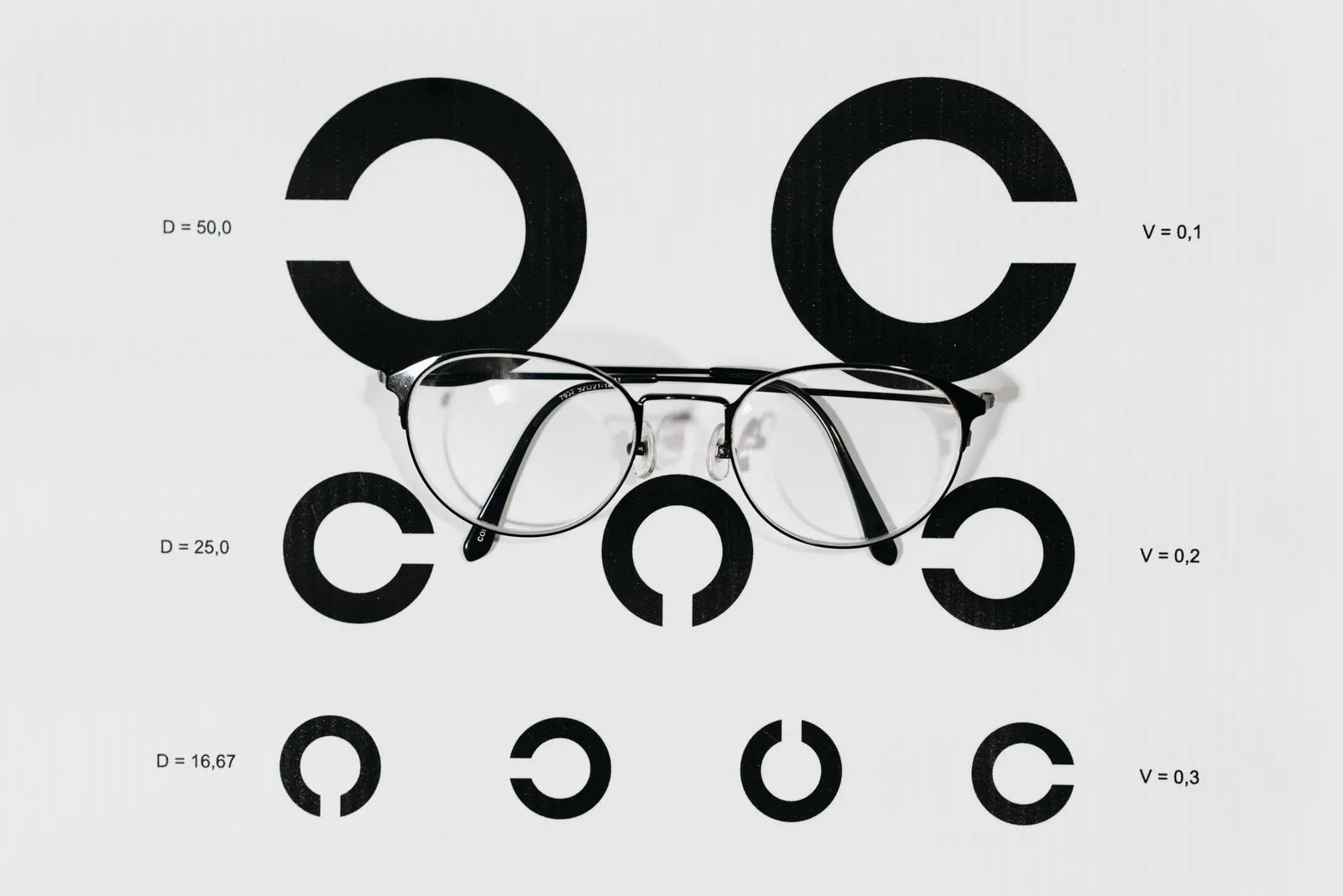
An eye exam is easier when you arrive with the details your eye care provider needs. Your current glasses, contact lens information, insurance card, and a short list of questions can help make the visit more useful. A few minutes of preparation also helps you avoid relying on memory while you’re in the exam room. Use this checklist before you head out, and add anything specific to your vision or health history.
Bring Your Current Glasses
Pack the glasses you wear most often, even if they feel outdated or uncomfortable. Your provider can check the prescription, fit, and condition, and compare them with your vision during the exam. If you use separate pairs for reading, driving, computer work, or other tasks, bring those too. Tell the provider when and where you use each pair.
If your glasses are broken or you’ve stopped wearing them, bring them anyway if possible. Share what feels wrong, such as blurry distance vision, headaches, slipping frames, or trouble seeing at a screen. These specifics can help your provider understand how your vision affects daily activities and discuss options that fit your needs.
Know Your Contact Lens Details
If you wear contact lenses, bring the boxes or write down the brand, prescription, lens type, and replacement schedule. Include any details about when you started wearing them and how many hours you typically keep them in. Lens information can help your provider assess your current fit and discuss whether your prescription or wearing routine should change.
Bring your contact lens case and solution if you use them, and wear your lenses to the appointment only if the office has advised you to do so. Some exams may require you to remove lenses or avoid wearing them beforehand. Call the office before your visit if you’re unsure, especially if you’re being fitted for contacts or having a specific procedure.
Have Insurance and Health Details Ready
Bring your vision and medical insurance cards, along with any referral or authorization information your plan requires. Coverage and benefits vary, so check with your insurer or the eye care office if you have questions about eligibility. If you have a preferred payment method or paperwork to complete, ask the office what to bring before your appointment.
Prepare a list of medications, allergies, and relevant health conditions, including any changes since your last visit. Mention eye symptoms such as dryness, irritation, flashes, floaters, or changes in vision, and note when they began. If you have records or a prescription from another provider, bring them or ask whether they can be sent ahead.
Write Down Your Questions
It’s easy to forget questions once the exam begins. Jot down anything you want to discuss, such as changes in your prescription, eye strain at work, contact lens comfort, or how often to schedule routine exams. Be specific about the activities where you notice a problem so your provider can connect your concerns to your everyday vision needs.
You can also ask what your exam results mean, whether you need follow-up care, and how to use any recommended eye drops or eyewear. Bring a phone or notepad to record instructions, and ask for clarification if something is unclear. A short, organized list helps you leave with a better understanding of the next steps.
Before you leave, check that you have your glasses, contact lens details, insurance cards, health information, and questions. If you’re uncertain about what to bring or whether to wear your contacts, contact the office ahead of time. A little planning can help you make the most of your next eye exam.